
ZAK ELBAHI
C++ SOFTWARE & SYSTEMS ENGINEER
AAA Games • Real-Time Systems • Gameplay • AI
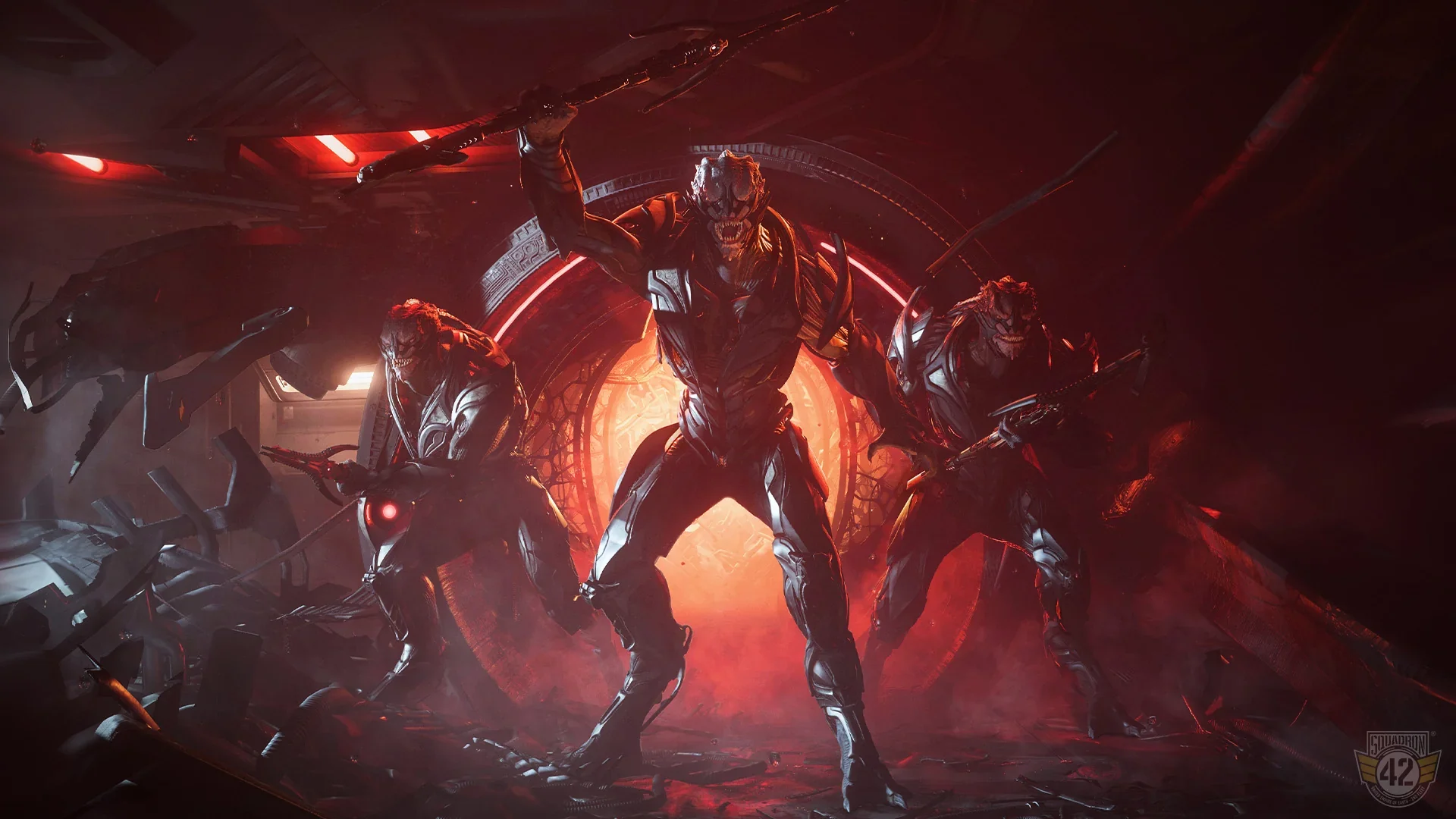
I’m a C++ Software & Systems Engineer with AAA development experience building complex, performance-critical systems for Star Citizen, Squadron 42, MindsEye and Everywhere.
My background is in designing and implementing robust C++ and C# systems, including real-time architecture, AI, state-driven systems, tools, data-driven frameworks and performance optimisation. Working on large-scale productions has given me experience solving difficult technical problems within complex codebases, collaborating across multidisciplinary teams, and building systems that need to remain reliable, maintainable and adaptable as requirements evolve.
I’m now looking to bring that experience into a software engineering role, applying the same systems thinking, problem-solving and engineering discipline to challenging software beyond games.
CASE STUDY:
STEALTH & COMBAT PERCEPTION STATE MACHINES
Core System Overview
I designed and implemented a modular AI perception system to extend a legacy combat-only framework into a fully functional stealth and combat experience. The system enables gradual player detection, dynamic state transitions, and scalable AI behaviour across multiple enemy archetypes.
The implementation combined C++ systems with CryEngine’s Flowgraph and DataForge tooling to support both performance and designer iteration.
System Architecture
The existing AI system was built exclusively for combat:
Detection was immediate and binary
No support for stealth gameplay or partial visibility
Limited flexibility for tuning or extending behaviours
The goal was to introduce a perception system that:
Supported gradual, readable detection
Enabled meaningful stealth gameplay (cover, exposure, positioning)
Allowed seamless transitions between stealth and combat
Remained scalable within a legacy architecture
Top-Level State Machine (C++ driven):
Stealth State
Combat State
Each state routed the AI into its own:
Behaviour Tree
Sub-state machine
Detection configuration set
This separation ensured:
Independent tuning of stealth vs combat
Reduced cross-state complexity
Data-Driven Configuration
A key part of the system was making it fully data-driven using DataForge. Detection parameters (vision cones, thresholds, decay rates) were stored in data entries.
These entries were bound to global variables on AI prefabs > Enemy variants inherited from shared base prefabs.
This allowed rapid creation of enemy archetypes:
Snipers → longer range, narrower cones
Standard enemies → balanced detection
Close-range units → shorter, wider, faster detection
Designers could tune behaviour without modifying code, while maintaining a consistent underlying system.
skills
GAMEPLAY SYSTEMS & ARCHITECTURE
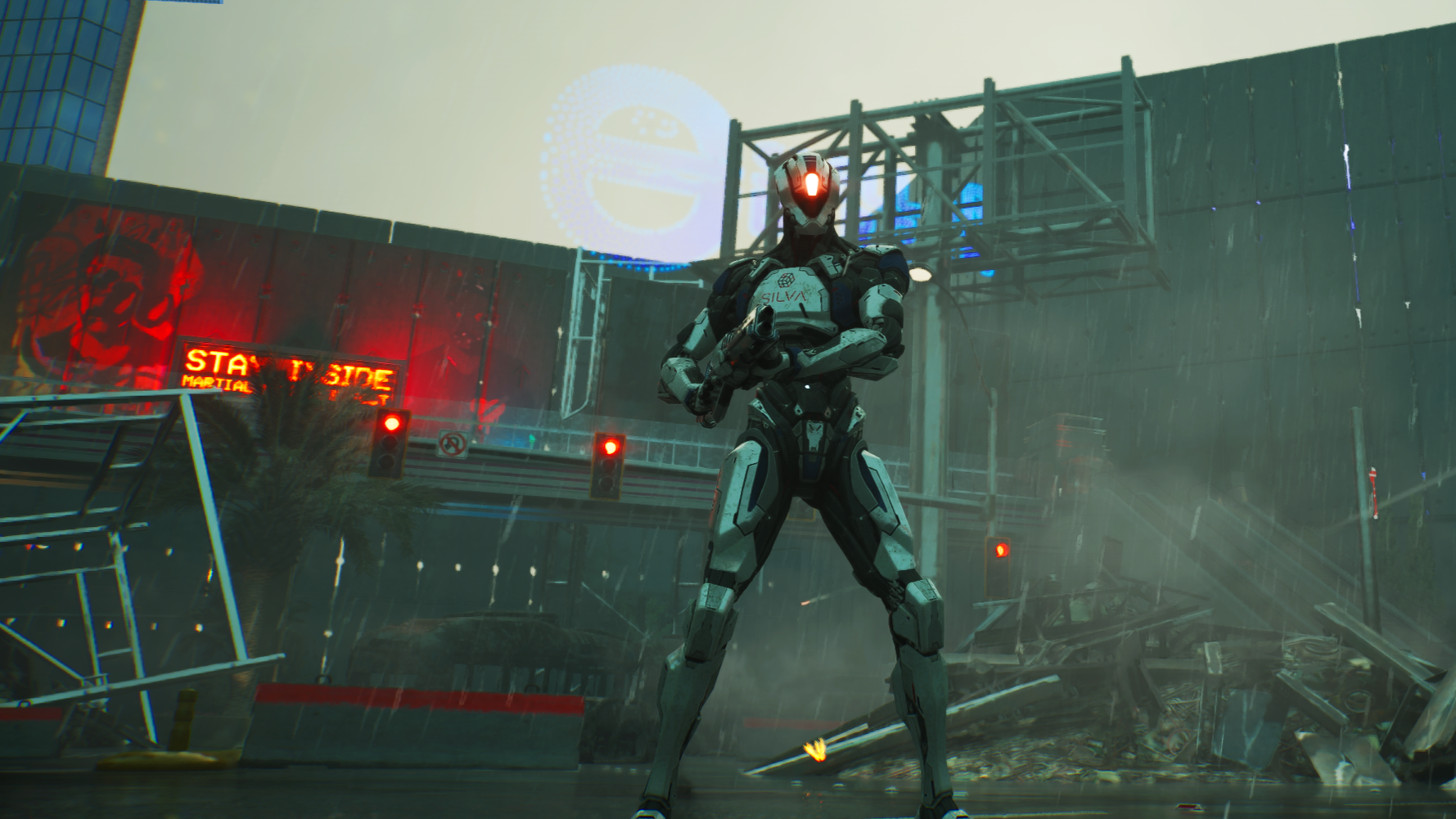
Architected and implemented modular gameplay systems spanning combat, stealth, AI behaviours, puzzles, and progression.
Built component-based and extensible system architectures to support reuse across multiple gameplay features.
Developed gameplay logic using state machines, event-driven patterns, and decoupled communication between systems.
Designed data-driven frameworks enabling iteration, tuning, and designer-facing control without code changes.
Focused on scalability, maintainability, and clean system boundaries to support ongoing feature development..
COLLABORATION & MENTORSHIP
Mentored junior team members on gameplay implementation and system design principles.
Facilitated cross-discipline collaboration to align design, engineering, and art requirements.
Proactively identified technical constraints and adapted designs to meet production needs.
LEVEL & SYSTEMIC DESIGN
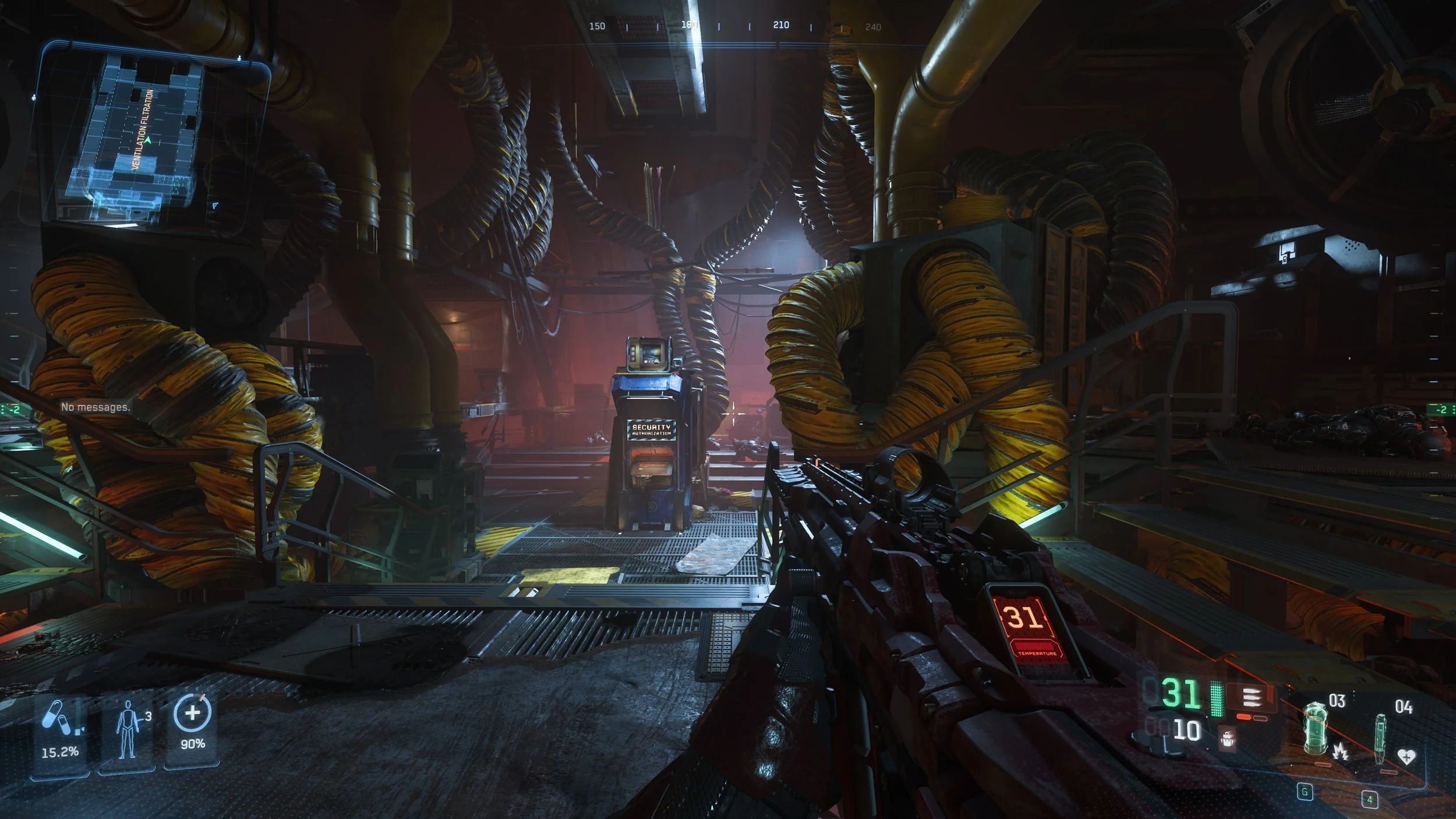
Designed gameplay spaces that leverage systemic mechanics (AI, player abilities, combat loops) to create emergent player experiences.
Integrated gameplay systems directly into level design to control pacing, tension, and player decision-making.
Collaborated closely with engineering, art, and lighting to ensure systems function cohesively within environments.



TECHNICAL DESIGN & DOCUMENTATION
Produced clear technical documentation including system breakdowns, flow diagrams, and implementation specs.
Translated design intent into implementable systems with defined logic, states, and behaviours.
Communicated system requirements effectively across multidisciplinary teams.
CINEMATIC & GAMEPLAY INTEGRATION
Implemented camera systems, lighting setups, and in-engine cinematic sequences.
Applied composition and staging principles to support gameplay readability and player guidance.
Worked within production pipelines to deliver polished in-game sequences and transitions.
CASE STUDY:
FACTION STATES & ABILITY PROGRESSION SYSTEM
Core System Overview
I designed and implemented a modular ability system built around faction-based reputation, where player progression and ability access are dynamically shaped by allegiance.
Rather than a traditional linear unlock system, abilities are tied to competing factions, forcing players to make trade-offs between power sets and strategically manage their progression. The system was implemented using C++ and Unreal Engine Blueprints, balancing performance with rapid iteration.
System Architecture
The system follows a modular structure:
Ability Modules
Individual abilities implemented as self-contained units
Encapsulate their own behaviour and execution logic
Faction Objects (World Actors)
Represented as NPCs or groups in the game world
Store reputation thresholds and associated unlocks
Handle player interaction and UI
Reputation Tracker
Central system managing faction values
Handles cross-faction reputation impact
Activation Layer
Maps player inputs to available abilities
Validates unlock state and cooldowns before execution
This separation ensures that progression, unlocking, and execution remain decoupled.
ABILITIES:
EMP Blast → Disables robotic enemies
Gas Attack → Area denial effective against human enemies
Drone Swarm → Autonomous offensive support
Air Strike → High-impact targeted damage
Glider → Enables mid-air mobility and traversal
Robot Reinforcements → Summons allied units
Core System Design
The system is built around three interconnected layers:
Faction Reputation System
Each faction maintains an independent reputation value. Player actions dynamically increase or decrease faction standing. Gaining reputation with one faction can reduce reputation with another
This creates a push-pull progression model, where players must actively choose which abilities to pursue.
Ability Unlock Layer
Abilities are tied to faction-specific reputation thresholds. Unlock conditions are evaluated through faction data and player state. Abilities can be toggled on/off once unlocked. Each faction effectively acts as a gateway to a unique ability set.
Ability Execution System
Player inputs trigger abilities via mapped activation slots. Each ability executes contextually relative to player position. Cooldowns regulate usage and prevent ability spam. This ensures a consistent interaction model across all abilities, regardless of type.
EXPERIENCE
STar Citizen & SQUADRON 42
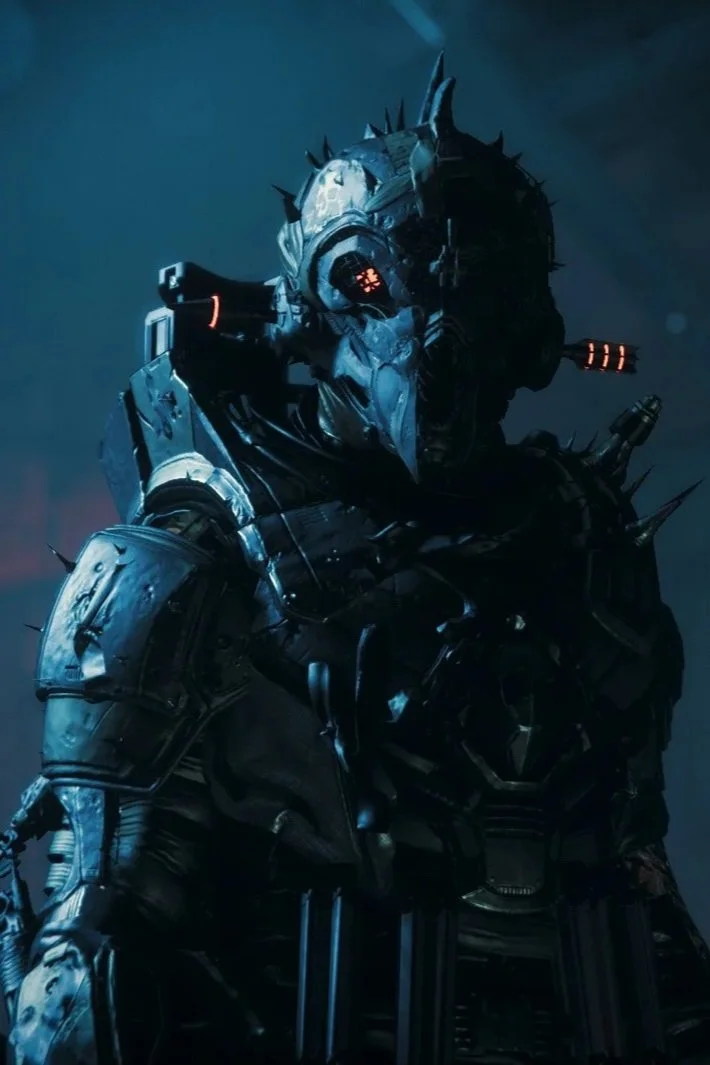
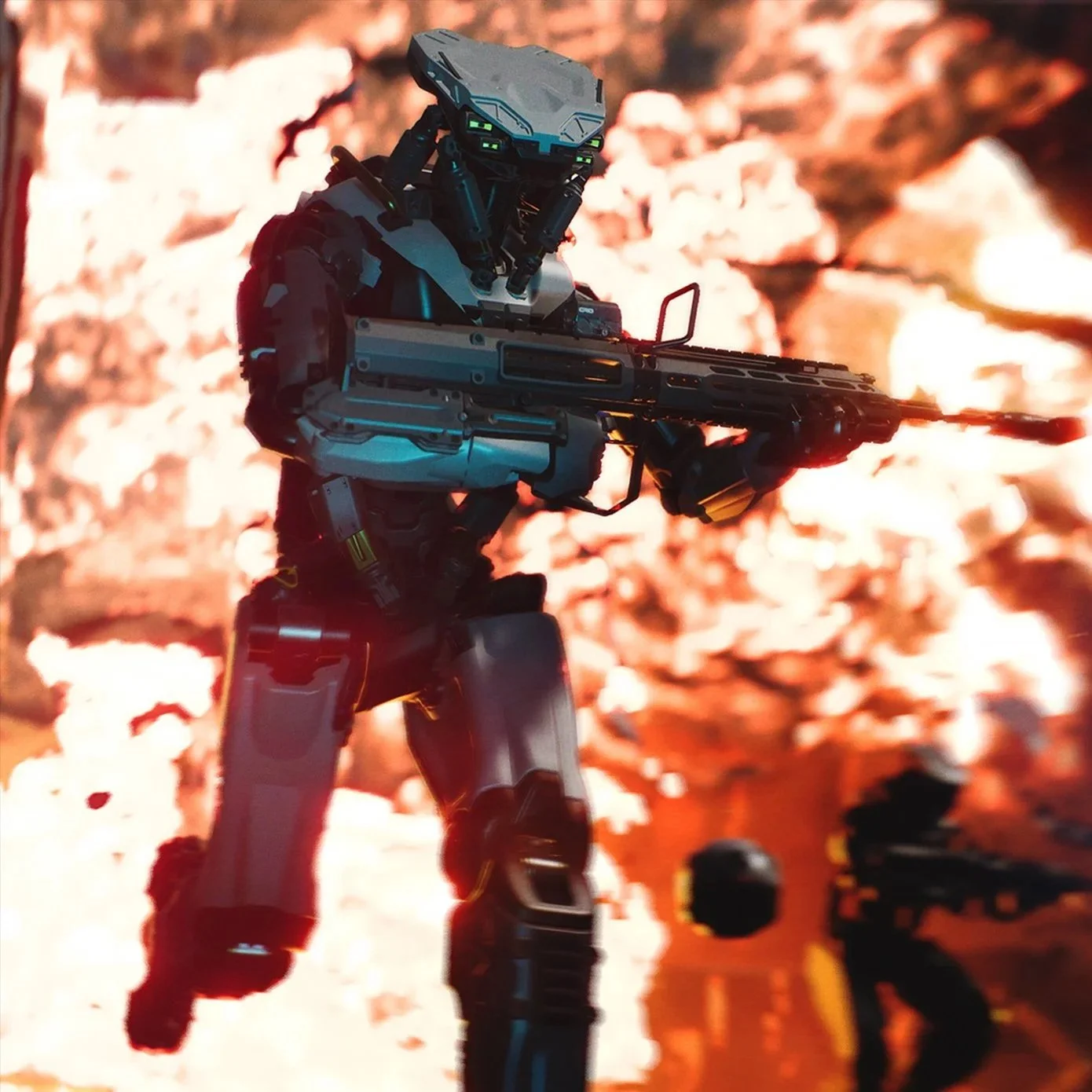
Worked on large-scale gameplay systems across both PvE and PvP environments, focusing on stealth, combat, AI, and systemic player interactions within a networked, streaming-heavy environment.
Problem
The project required highly scalable and performant gameplay systems capable of supporting complex player behaviours, AI interactions, and large, persistent environments without compromising responsiveness or stability.
Solution
Designed and implemented modular gameplay systems with a focus on systemic interaction, performance optimisation, and network-aware behaviour.
Implementation
CryEngine (C++ and engine tools)
Developed and iterated on stealth systems supporting AI perception and player-driven gameplay
Implemented combat systems including procedural weapon recoil and balancing systems
Built and refined AI behaviours for enemies and creatures, including boss encounters
Contributed to physics-based systems including gravity gun interactions and ship steering
Worked on network and streaming optimisation to maintain performance in large-scale environments
Key Features
Systemic stealth gameplay integrated with AI perception
Procedural recoil system improving weapon feel and variability
Modular AI behaviours supporting both standard enemies and boss encounters
Technical Challenges
Balancing performance with systemic complexity in a networked environment required continuous optimisation, particularly around AI behaviour, streaming systems, and physics interactions.
Outcome
Delivered scalable gameplay systems that supported both cinematic and systemic gameplay, contributing to a cohesive player experience across large, persistent environments.
MINDSEYE & EVERYWHERE
Focused on implementing gameplay systems and level scripting within Unreal Engine, contributing to player movement, combat, stealth, and game-wide UI systems.
Problem
The project required rapid iteration on gameplay systems while maintaining consistency across levels and ensuring systems remained scalable and reusable across different gameplay scenarios.
Solution
Bridged design and engineering by implementing systems directly in-engine, ensuring design intent translated into responsive, production-ready gameplay.
Implementation
Unreal Engine (Blueprints and C++)
Designed and implemented player movement systems tailored to gameplay needs
Built and integrated stealth and combat systems within level contexts
Developed game-mode wide UI systems supporting player feedback and progression
Implemented abilities and unlockable systems with scalable structure
Extensive bug fixing and system refinement to improve stability and usability
Key Features
Responsive player movement system supporting varied gameplay pacing
Integrated stealth and combat systems working cohesively within levels
Scalable UI systems tied to gameplay state and progression
Modular ability and unlock systems for future expansion
Technical Challenges
Ensuring systems remained modular while being implemented within level-specific contexts required careful separation of logic and consistent structuring across Blueprints and code.
Outcome
Delivered robust gameplay implementations that aligned with design goals while remaining flexible for iteration and expansion.
ASTRAL & POLY PLAZA 2
Designed and implemented gameplay systems across multiple projects, focusing on combat, AI, progression, and player abilities from concept through to playable prototypes.
Problem
These projects required building complete gameplay loops from scratch, ensuring systems were cohesive, engaging, and scalable despite limited resources.
Solution
Developed core gameplay systems with a strong emphasis on modularity and rapid iteration, allowing for continuous refinement and expansion.
Implementation
Unreal Engine & Unity (Blueprints, C#, and gameplay scripting)
Designed and implemented combat systems including weapon selection and player abilities
Built enemy AI behaviours to support engaging gameplay encounters
Developed progression systems to structure player advancement
Designed and implemented UI systems to communicate gameplay state
Key Features
Modular combat systems supporting multiple weapons and abilities
AI systems designed to create dynamic and reactive encounters
Progression systems driving player motivation and structure
Technical Challenges
Balancing system complexity with development speed required prioritising modular design and reusable logic, particularly when working across multiple systems simultaneously.
Outcome
Delivered fully playable prototypes demonstrating strong systemic design and the ability to execute complete gameplay experiences independently.
DEAL BREAKER & ABOVE


An early gameplay prototype focused on building core combat and ability systems from the ground up, with an emphasis on player agency and mechanical clarity.
Problem
The project required establishing a complete gameplay loop from scratch, including combat, abilities, and player interaction systems, without relying on pre-existing frameworks.
Solution
Designed and implemented foundational gameplay systems with a focus on responsiveness, modularity, and clear player feedback.
Implementation
Unity C# (Deal Breaker) Unreal Engine C++ (Above)
Built core combat systems including attack logic and player abilities
Designed and implemented stealth mechanics to support varied playstyles
Developed gameplay scripting to control level flow and player progression
Structured systems to allow for iterative expansion and tuning
Key Features
Ability-driven combat system with clear input-to-action mapping
Structured gameplay flow connecting combat and level progression
Technical Challenges
Balancing multiple gameplay systems simultaneously while maintaining clarity and responsiveness required careful structuring of input handling and system interactions.
Outcome
Delivered a complete, playable prototype demonstrating core gameplay systems and an understanding of how individual mechanics combine into a cohesive experience.


CONTACT
Email
zakaria@elbahistudios.com
Phone
(+44)7949312546
Location
Edinburgh, UK